
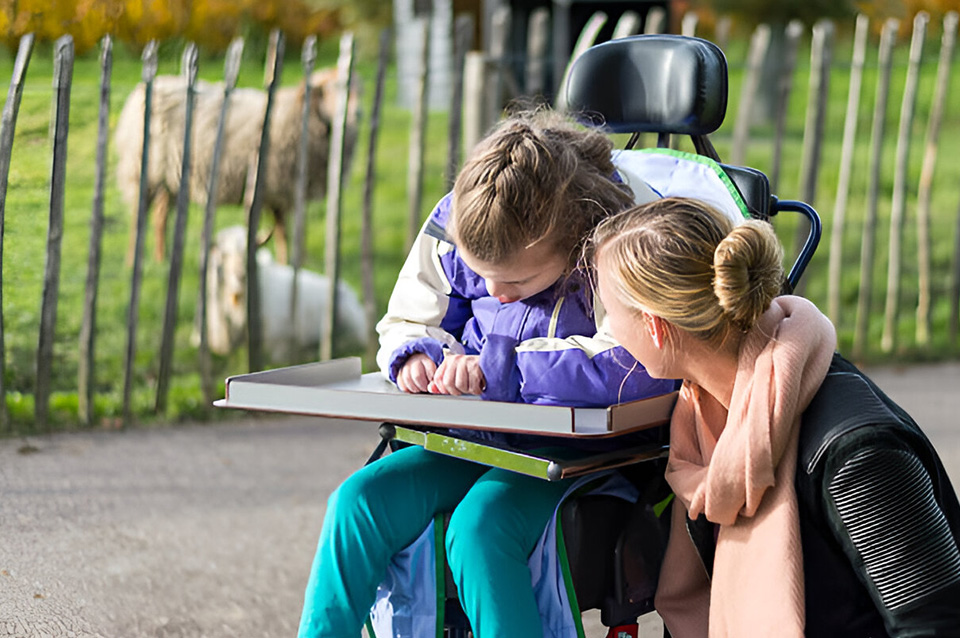
Psychosocial recovery coaching for carers plays a critical role in supporting both NDIS participants and their families. It is an NDIS-funded support designed to help people with a mental health disability (also known as psychosocial disability) improve their daily functioning, confidence, and participation in the community. It is funded from the capacity building budget of an NDIS plan, and the NDIA says you’ll generally receive funding for a recovery coach if you have psychosocial support needs.
At Centre of Hope, we understand that when someone you love is living with a psychosocial disability, the emotional, physical, and mental load on you as a carer can be overwhelming. Carers are often the silent backbone of the support system, yet they frequently go unrecognised and unsupported.
This article explores five practical and powerful ways psychosocial recovery coaching not only supports NDIS participants, but also benefits their carers, families, and support networks.
1. Reducing the Emotional Load on Carers
Recovery coaches are more than just support workers. They help participants build capacity and resilience, find, plan and organise supports, and connect with mental health and community services outside the NDIS. This means carers are no longer the only ones coordinating appointments, encouraging routines, or managing crises.
By stepping in to manage some of these tasks, recovery coaches reduce the emotional and mental burden on carers. This is particularly important when families are dealing with the unpredictable nature of mental health recovery. Less stress for carers often leads to better overall wellbeing and a more balanced home environment.
At Centre of Hope, our psychosocial recovery coaches collaborate with families to ease this burden through personalised psychosocial recovery coaching for carers and their loved ones.
For more on the value of coaching, see our article on the 7 Key Benefits of NDIS Psychosocial Recovery Coaching.
2. Improving Participant Independence
One of the central goals of psychosocial recovery coaching is to increase the participant’s independence. With a coach’s help, individuals can develop life skills such as budgeting, personal care, time management, and communication. As the participant becomes more self-sufficient, the carer’s daily responsibilities naturally decrease.
Greater independence for the participant translates to less hands-on care required, allowing carers to step back from constant supervision and enjoy a more equal, less stressful relationship with their loved one.
We also cover how recovery coaching compares with other supports in our guide: Psychosocial Recovery Coach vs Support Coordinator: What’s the Difference?.
3. Clearer Communication and Team Support
Carers often find themselves acting as the main coordinator between multiple services, trying to understand and communicate a participant’s needs. Recovery coaches help by acting as a bridge between the participant, their supports, and their family. They ensure everyone is aligned, goals are shared, and plans are clearly communicated.
This team approach reduces confusion, miscommunication, and carer fatigue. Coaches can attend planning meetings, share progress updates, and ensure the carer’s voice is also heard.
If you are unsure how to manage these complex roles, our article on NDIS Support Coordination Levels Explained can help you understand the structure behind your support network.
4. Capacity Building for Both Participant and Carer
Recovery coaching focuses on capacity building for the participant, but it often extends to carers too. Coaches regularly share mental health resources, strategies for managing behaviours, and tools that carers can use in their everyday interactions with the participant.
This helps carers feel more confident, better equipped, and less isolated. They may learn new techniques for handling emotional episodes or gain insight into the recovery process. Sometimes, just having a professional to talk to about what’s happening at home makes a big difference.
The NDIA says a recovery coach will spend time with the participant and the people important to them, so they can get to know them and understand their needs. At Centre of Hope, we believe in supporting carers as well as participants.
To explore more ways the NDIS supports family learning and growth, read our blog: Top NDIS Services You Didn’t Know You Could Access.
5. Helping Carers Reclaim Time for Themselves
Time is one of the most precious resources for carers, and it is often in short supply. When a participant engages with a recovery coach, carers get back something invaluable: time to rest, recover, and recharge.
Whether it is taking a walk, attending your own appointments, or simply enjoying a cup of tea in peace, these moments matter. Recovery coaching enables this by providing scheduled support sessions, improving the participant’s ability to self-manage, and reducing the need for constant oversight.
Additionally, the NDIS may fund respite care or other services that complement recovery coaching and give carers structured breaks. To understand more about funding options, see our article on NDIS Funding in Australia: What the NDIS Covers and What It Doesn’t.
How to Access a Recovery Coach via the NDIS
Eligibility: The participant needs to be an NDIS participant with psychosocial support needs. The NDIA says the number of hours funded depends on their needs.
Budget Category: Recovery coaching falls under the capacity building budget of the NDIS plan (support item 07_101_0106_6_3 and related items in the NDIS Pricing Schedule).
What is changing from 2028: the government’s consultation paper (September 2026) proposes a commissioned Support Coordination and Connection service from 1 July 2028, and says the psychosocial recovery coaching workforce will potentially move into it. The design isn’t final, and recovery coaching continues as it is until then. See what the 2028 changes mean.
Planning Tips:
- Prepare by gathering mental health reports or assessments from a GP, psychologist, or psychiatrist.
- Submit a Carer Statement to help NDIS planners understand how your caring role affects your wellbeing.
- During the planning meeting, clearly request psychosocial recovery coaching and explain the benefits for both the participant and the carer.
For a deeper dive into the planning process, visit our blog: How to Find and Choose an NDIS Support Coordinator.
Once funding is approved, you can select a provider like Centre of Hope to deliver the service. Our team will support you from referral to implementation. To get started, visit our Referral Page or Book an Appointment.
For official information, visit:
Your Journey, Supported
Carers are the heart of the support system for people with psychosocial disabilities, and psychosocial recovery coaching for carers helps strengthen that support system. Psychosocial recovery coaching offers real relief, structure, and empowerment not just for the person with the disability, but for you, the carer.
If you are supporting a loved one with a mental health condition, recovery coaching could make a world of difference.
To learn more about our psychosocial recovery coaching, contact Centre of Hope today or explore our full range of services.
Your wellbeing matters too.
FAQ
What is the role of a psychosocial recovery coach?
A recovery coach helps NDIS participants with psychosocial disability build daily living skills, develop confidence, manage challenges, and connect with mental health and community supports. They work closely with participants and their carers to create a personalised recovery plan.
Can carers be involved in recovery coaching sessions?
Yes. With the participant’s consent, carers are often included in planning, progress reviews, and strategy discussions. This supports a team-based approach to recovery and keeps families involved and informed.
Does the NDIS fund support for carers?
The NDIS funds supports for the participant rather than for the carer. Some of those supports, such as short-term accommodation (respite) or recovery coaching, can also give carers a break or help the whole family.
How do I request a recovery coach in my NDIS plan?
During your planning or review meeting, discuss your loved one’s mental health needs and ask specifically for psychosocial recovery coaching under Capacity Building. Bring supporting documents and a carer statement if possible.
Disclaimer: This article is general information only and is not a substitute for personal advice about your situation. The information is current as at 25 September 2026. It reflects the NDIA’s page What is a recovery coach (current as of 3 June 2026), the NDIS Pricing Schedule 2026-27, and the government’s Support Coordination and Connection consultation paper (September 2026). The examples are illustrative. Psychosocial recovery coaching is funded through an NDIS plan and what is available to you depends on your own plan, so please confirm current requirements at ndis.gov.au or with the NDIA on 1800 800 110 before relying on anything here. Centre of Hope is a registered NDIS provider in NSW, registration 4050161679.